
What Is Lymphatic Drainage Massage and How Does It Help?
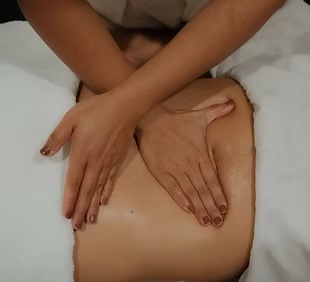
Lymphatic drainage massage is a gentle, rhythmic technique designed to support the body’s lymphatic system — a key part of your immune and fluid balance system. Unlike deep tissue or remedial massage, lymphatic massage uses light pressure to encourage the movement of lymph fluid throughout the body. What Is the Lymphatic System? The lymphatic system helps remove waste, excess fluid, toxins, and inflammation from the body. When it becomes sluggish — due to stress, illness, surgery, inactivity, or injury — you may notice swelling, heaviness, bloating, fatigue, or slower recovery. Benefits of Lymphatic Drainage Massage Lymphatic drainage massage may help: Who Can Benefit? Lymphatic drainage massage is commonly used for: What to Expect The treatment is slow, calming, and non-invasive. Many people feel deeply relaxed and lighter afterward. Final Thoughts Lymphatic drainage massage is not about pressure — it’s about precision and flow. When the lymphatic system moves well, the whole body benefits.
Lower Back Pain: The Hidden Link to Tight Hip Flexors and the Psoas

What Is the Psoas? The psoas is a deep muscle that connects the lower spine to the top of the thigh. It plays a key role in posture, walking, running, and stabilising the spine. Because it attaches directly to the lumbar vertebrae, tension in the psoas can pull on the lower back. How Tight Hips Cause Lower Back Pain Long periods of sitting, cycling, running, or heavy lifting can shorten the hip flexors. When the psoas and surrounding hip muscles become tight: This often leads to persistent lower back tightness, stiffness, or pain. Signs Your Psoas May Be Involved What Helps Relieve the Pain Addressing lower back pain linked to tight hips requires more than stretching alone: The Takeaway Lower back pain isn’t always a back problem. Tight hips and an overworked psoas can quietly place strain on the spine over time. Restoring balance between mobility and strength in the hips and core can reduce pain, improve movement, and help prevent future flare-ups.
5 Signs You Need a Remedial Massage
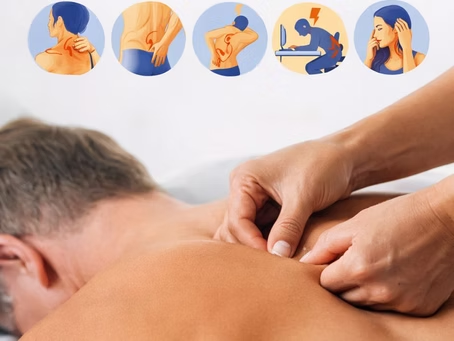
Many people wait until pain becomes unbearable before seeking help, but your body often sends early warning signs that something isn’t right. Remedial massage isn’t just for injuries — it’s designed to address muscle tension, movement restrictions, and underlying causes of pain before they become chronic. Here are five common signs you may benefit from a remedial massage. 1. You Have Ongoing Muscle Tightness or Knots If certain areas always feel tight — such as your neck, shoulders, lower back, or hips — this often indicates overworked or restricted muscles. Stretching alone may not be enough. Remedial massage helps release deeper tension and improve circulation to affected areas. 2. Pain Keeps Coming Back Recurring pain is a sign the root cause hasn’t been addressed. Remedial massage focuses on why the pain is happening, not just where you feel it, helping reduce repeat flare-ups. 3. You Feel Stiff or Restricted in Movement Difficulty turning your head, bending forward, or standing upright can signal muscle imbalance or joint restriction. Massage helps restore mobility and ease movement patterns. 4. You Sit, Train, or Repeat the Same Movements Daily Desk work, lifting, running, or repetitive tasks place ongoing stress on the body. Remedial massage helps counteract these patterns before they lead to injury. 5. Stress Is Showing Up in Your Body Stress doesn’t just affect the mind — it creates physical tension. Headaches, jaw tightness, shallow breathing, and shoulder pain are common signs your nervous system needs support. Final Thoughts Remedial massage isn’t only for when something “goes wrong.” It’s a proactive way to support recovery, reduce pain, and keep your body moving well. If you’re experiencing any of these signs, your body may be asking for attention — not rest alone, but targeted treatment.
3 Simple Ways to Reduce Back Pain Between Massages

1. Move Little and Often Long periods of sitting or standing stiffen the lower back and hips. Aim to change position every 30–60 minutes. Gentle walking, standing up, or light stretching keeps blood flow moving and reduces muscle tension. 2. Stretch Your Hips and Glutes Tight hips (especially hip flexors and glutes) often contribute to lower back pain. Simple stretches like hip flexor stretches, glute stretches, or gentle spinal twists can take pressure off the lower back. 3. Breathe Deeply and Relax Stress causes muscle guarding, particularly through the lower back and shoulders. Slow, deep breathing helps calm the nervous system and allows muscles to release. Try 5 slow breaths in through your nose and out through your mouth.