
Lymphatic Drainage Massage for Athletes in Bondi Junction: Benefits for Recovery, Performance and Wellbeing
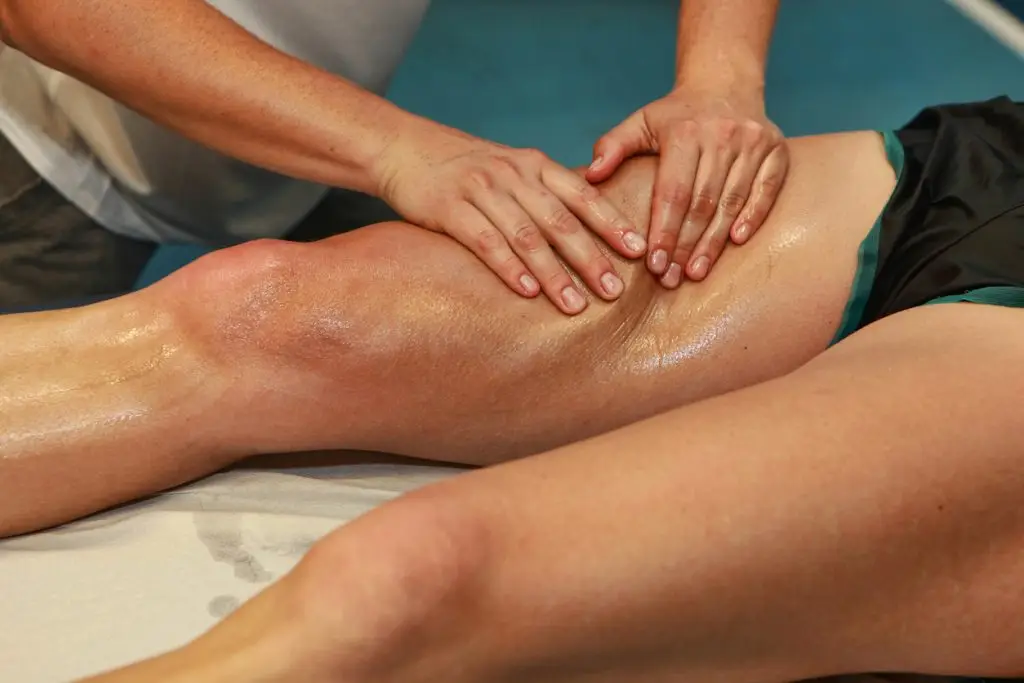
Whether you’re training for a marathon, competing in weekend sport, lifting weights at the gym, or simply maintaining an active lifestyle, recovery is just as important as training itself. Every workout places stress on the body, creating tiny muscle tears, inflammation, and fatigue that require adequate recovery before peak performance can be achieved again. Without proper recovery, athletes may experience ongoing soreness, reduced mobility, and an increased risk of injury. One recovery technique gaining popularity among athletes is lymphatic drainage massage. Unlike traditional sports massage, which focuses on releasing muscle tension, lymphatic drainage massage uses gentle, rhythmic techniques to stimulate the body’s lymphatic system. This specialised treatment encourages the natural movement of lymph fluid, helping to reduce swelling, improve circulation and support the body’s recovery process. For athletes in Bondi Junction and Sydney’s Eastern Suburbs, lymphatic drainage massage has become an effective addition to recovery routines, helping improve performance while supporting overall health and wellbeing. Whether recovering from an intense training session, managing post-event fatigue, or returning from injury, this therapy offers a gentle yet highly effective approach to restoring balance throughout the body. What Is Lymphatic Drainage Massage? Lymphatic drainage massage is a specialised manual therapy designed to encourage the natural flow of lymphatic fluid throughout the body. The lymphatic system plays a vital role in maintaining a healthy immune system by removing waste products, excess fluid, and toxins from body tissues. Unlike the circulatory system, the lymphatic system does not have a pump like the heart. Instead, it relies on muscle movement, breathing, and manual stimulation to keep lymph fluid moving efficiently. When lymphatic flow slows due to intense exercise, injury, illness, or prolonged inactivity, fluid may accumulate within tissues, contributing to swelling, stiffness, and delayed recovery. Lymphatic drainage massage uses slow, precise movements to gently stimulate lymph vessels and encourage fluid movement back towards the lymph nodes, where waste products can be processed naturally by the body. Unlike deep tissue or sports massage, the pressure used during lymphatic drainage is extremely light, making it a relaxing treatment suitable for many individuals. Why Athletes Benefit from Lymphatic Drainage Massage Every training session creates microscopic stress within muscles. This process is entirely normal and necessary for strength and fitness improvements. However, recovery determines how effectively the body repairs itself between training sessions. Lymphatic drainage massage supports this recovery by helping the body manage inflammation and improve circulation after physical activity. Many athletes choose lymphatic drainage massage to help: Reduce post-exercise swelling Improve circulation Support muscle recovery Decrease feelings of heaviness in the legs Encourage relaxation Reduce muscle fatigue Promote overall wellbeing Support consistent training schedules When incorporated into a balanced recovery program alongside hydration, nutrition and quality sleep, lymphatic drainage massage can help athletes recover more efficiently between workouts. How Lymphatic Drainage Massage Supports Recovery Recovery begins immediately after exercise. During intense physical activity, muscles produce metabolic waste while tissues experience temporary inflammation as part of the body’s natural repair process. Lymphatic drainage massage assists this recovery process by supporting healthy lymphatic circulation and reducing excess fluid accumulation. For many athletes, this may result in: Reduced Swelling Long-distance runners, cyclists, and team sport athletes often experience swelling after extended periods of physical activity. Stimulating lymphatic flow encourages excess fluid to move away from affected tissues, helping reduce discomfort and restore mobility. Improved Circulation Healthy circulation delivers oxygen and nutrients to working muscles while assisting with the removal of waste products. Although lymphatic drainage massage focuses primarily on the lymphatic system rather than blood circulation, improved fluid movement complements the body’s overall recovery processes and supports tissue health. Reduced Muscle Fatigue Following strenuous exercise, athletes frequently describe sensations of heaviness or tiredness in their muscles. Lymphatic drainage massage may help reduce this feeling by encouraging healthy fluid balance throughout the body while promoting deep relaxation. Many clients report feeling lighter and more refreshed following treatment. Supporting Natural Detoxification The lymphatic system helps transport waste from body tissues. While the body naturally detoxifies itself through organs such as the liver and kidneys, maintaining healthy lymphatic circulation supports these natural processes. For active individuals, this contributes to overall recovery and wellbeing. Managing Inflammation After Exercise Inflammation is a normal response to exercise. Following high-intensity training or competition, muscles experience small amounts of inflammation as part of the repair process that ultimately leads to improved strength and performance. However, excessive swelling or prolonged inflammation can delay recovery and affect subsequent training sessions. Lymphatic drainage massage helps support the body’s natural healing response by encouraging healthy lymphatic flow and reducing unnecessary fluid accumulation. This gentle approach is particularly beneficial after: Long-distance running events Football matches CrossFit competitions Cycling events Weightlifting sessions Endurance races High-volume training blocks Rather than masking symptoms, remedial massage works alongside the body’s own recovery mechanisms. Supporting Recovery Following Injury Returning to sport after an injury requires careful management. While rehabilitation should always follow medical or allied health advice, lymphatic drainage massage may complement a broader recovery program by helping manage swelling and promoting comfort during rehabilitation. Athletes recovering from certain injuries or surgery may benefit from lymphatic drainage massage once cleared by their healthcare provider. Potential benefits include: Reduced fluid retention Improved comfort Better mobility Enhanced relaxation Support for tissue healing Because every injury is different, treatment should always be tailored to the individual’s recovery stage and health professional recommendations. When Should Athletes Book a Lymphatic Drainage Massage? One of the most common questions athletes ask is when lymphatic drainage massage should be included in their training schedule. The answer depends on individual goals and training demands. Many active people choose treatment: Following demanding training sessions After sporting competitions During heavy training blocks Throughout injury rehabilitation (where appropriate) Following long-haul travel before or after sporting events During recovery weeks When experiencing fluid retention or feelings of heaviness Unlike deep tissue massage, which may occasionally leave muscles feeling tender, lymphatic drainage massage is gentle enough to become a regular part of an athlete’s recovery routine when recommended by an experienced