
Chronic Back Pain Relief Through Targeted Deep Tissue Therapy: Professional Therapeutic Massage Benefits in Sydney
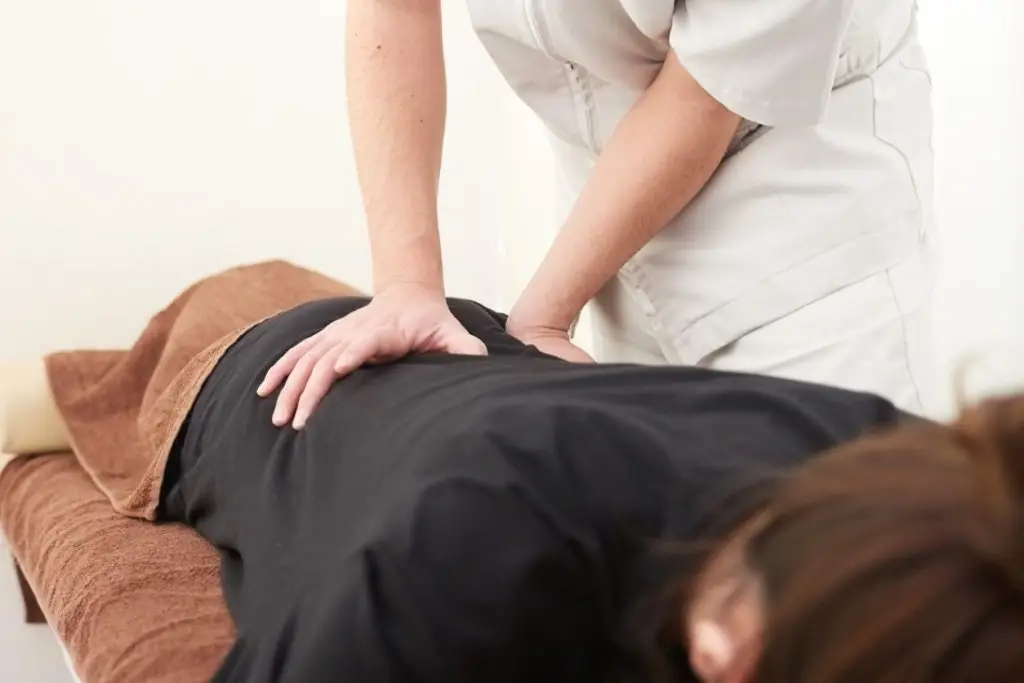
Chronic back pain presents a significant challenge for many individuals, affecting their quality of life and general well-being. This condition often arises from factors such as prolonged sitting, poor posture, or physical injuries. Deep Tissue Therapy, a specialised form of therapeutic massage, has emerged as an effective treatment for relieving this type of pain by targeting deeper muscle layers and easing tension. This article delves into the connections between chronic back pain and targeted massage therapies, and how they can promote restorative healing. Readers will explore the mechanisms by which Deep Tissue Therapy alleviates discomfort, the specific benefits of these treatments, and the complementary approaches, like remedial massage, that enhance overall pain management. The content includes a comprehensive review of targeted therapies, common techniques, and expectations for therapeutic sessions. We will also introduce Massage Space, a Sydney-based provider specialising in pain relief services, particularly focused on chronic back pain. What Is Chronic Back Pain and How Does Deep Tissue Therapy Address It? Chronic back pain is defined as persistent discomfort in the back that lasts longer than three months, often resulting from underlying conditions or injuries that exacerbate muscle tension and mobility restrictions. Deep Tissue Therapy addresses chronic back pain by focusing on the deeper layers of muscle tissue, breaking down adhesions, and relieving tension. This targeted approach promotes improved blood flow and enhances muscle elasticity, fostering a healing environment that aids recovery. Targets of Chronic Back Pain Common muscle groups affected by chronic back pain include the lower back, upper back, shoulders, and neck. Symptoms associated with this discomfort can vary from nagging aches to sharp, debilitating pain, often leading to restricted movement. The mechanisms of pain are multifaceted, involving muscle spasms, inflammation, or nerve compression, all of which can significantly compromise one’s ability to function normally. Addressing Muscle Mobility Deep Tissue Therapy employs various techniques to improve muscle mobility by manually loosening tight muscle fibers and restoring flexibility. This therapy can lead to notable benefits, such as greater range of motion and relief from muscle stiffening, which are vital for everyday activities. Clinical studies demonstrate that clients often experience enhanced mobility and reduced pain after just a few sessions, paving the way for long-term recovery. What Are the Clinical Benefits of Deep Tissue Massage for Chronic Pain Relief? Deep Tissue Massage offers both immediate and long-term benefits for individuals suffering from chronic pain. The primary advantage lies in its ability to alleviate tension and enhance circulation to affected areas, promoting healing and pain relief. Research indicates that consistent massage therapy can lead to significant improvements in pain management and mobility. Scientific research continues to validate the effectiveness of these specialised techniques in comparison to traditional therapeutic methods. Comparing Therapeutic and Deep Tissue Massage for Back Pain of two different kind of massage: therapeutic and deep tissue on chronic low back pain. A comparison of the effects of deep tissue massage and therapeutic massage on chronic low back pain, TB Grivas, 2012 How Does Deep Tissue Therapy Improve Muscle Mobility and Reduce Tension? Deep Tissue Therapy works by stimulating circulation and releasing tight areas within connective tissue. Muscle elasticity improves as knots and tension are released, leading to decreased pain intensity. Evidence from recent studies shows significant reductions in pain levels and increased mobility in patients receiving regular deep tissue treatments. The physiological mechanisms at play include enhanced blood flow to the muscles and the relaxation of muscle fibers. How Does Remedial Massage Complement Deep Tissue Therapy for Back Pain Management? Remedial massage serves as an excellent complement to Deep Tissue Therapy by addressing underlying muscle imbalances and facilitating recovery. This specialised form of massage focuses on healing the muscular and skeletal systems, which further contributes to pain relief from chronic back pain. Remedial Massage Benefits Remedial massage provides specific advantages such as pain relief from acute injuries or chronic pain conditions. Techniques employed in remedial massage target not only the soft tissues but also promote connective tissue health, reducing the likelihood of injury recurrence. Clients with chronic back pain often report enhanced comfort and improved muscle function following remedial sessions alongside deep tissue treatments. Techniques for Remedial Massage Common techniques for remedial massage include trigger point therapy, myofascial release, and stretching methods. These techniques are tailored to individual client needs, ensuring personalised treatment plans. By integrating these remedial techniques with deep tissue therapy, clients often experience compounded benefits, enhancing overall pain management strategies and promoting recovery. Specialised Deep Tissue Therapies Specialised deep tissue therapies cater to specific client needs, ensuring that individuals receive the appropriate level of care based on their condition. These specialised treatments can address unique challenges faced by different groups, such as athletes or pregnant women. Benefits for Athletes Athlete-focused deep tissue therapy adapts to the demands of specific sports, helping to alleviate muscle soreness and expedite recovery from injuries. This therapy targets common sports injuries, improving rehabilitation outcomes and promoting flexibility, allowing athletes to perform at their best. Many athletes find this approach minimises downtime and enhances overall performance. Pregnancy Massage Adjustments Pregnancy introduces unique considerations for massage therapy, necessitating adjustments to ensure safety and comfort for both the mother and baby. Techniques used for alleviation focus on gentle pressure and positions that accommodate the pregnant body’s changes. Research shows that pregnancy massage not only reduces discomfort but also enhances overall relaxation and emotional well-being during a critical time. Managing TMJ-Related Chronic Pain Temporomandibular Joint (TMJ) dysfunction can lead to chronic pain and discomfort, impacting patients’ quality of life. Effective management of TMJ-related pain often involves specialised massage techniques aimed at relieving tension in the jaw and facial muscles. Techniques Alleviating TMJ Tension Specific massage techniques for TMJ relief include gentle manipulation of the jaw, neck, and shoulder areas. By targeting these regions, therapists can alleviate pain and tension associated with TMJ disorders. Clients experiencing TMJ-related discomfort often report significant improvements in their symptoms after targeted treatments, promoting a more comfortable and functional lifestyle. Expectations During a Therapeutic Massage Session Understanding what to
Sports Massage vs Remedial Massage for Injury Prevention: Therapeutic Benefits and Treatment Outcomes in Sydney

In the realm of injury prevention, understanding the distinctions between sports massage and remedial massage is crucial. Both modalities offer unique therapeutic benefits, specifically targeting different needs aligned with physical well-being and athletic performance. This article delves into how these two forms of “massage therapy” support injury prevention and recovery, tailored to individuals’ various conditions and lifestyles. Readers will gain insights into their mechanisms, benefits, and applications, assisting in making informed choices when considering massage therapies. The increasing prevalence of injuries among athletes and active individuals underscores the importance of effective treatment interventions. Both sports and remedial massages contribute to enhanced recovery by alleviating tension in muscle groups, optimising circulation, and promoting overall wellness. To assist you further in understanding these modalities, this article will explore several key sections, commencing with the therapeutic benefits and treatment outcomes associated with each massage type. Therapeutic Benefits and Treatment Outcomes: The therapeutic outcomes of sports as well as remedial massage play a significant role in injury prevention and recovery. Each technique utilises specialised approaches aimed at addressing distinct physical conditions. Sports Massage: Sports massage is a dynamic treatment designed specifically for athletes and active individuals. This form of massage employs techniques tailored to enhance athletic performance, prevent injuries, and accelerate recovery. Often integrating deep tissue techniques, trigger point therapy, and stretching, “sports massage” works on targeted muscle groups to improve flexibility and reduce muscle tension. Athletes benefit from increased blood flow, which facilitates oxygen delivery and nutrient supply to muscles, thus promoting faster recovery times following strenuous activities. Furthermore, sports massage can be strategically performed pre- and post-event. Pre-event sessions prepare muscles for activity, while post-event treatments assist in flushing out lactic acid and reducing soreness, ensuring that athletes maintain peak performance levels. While these sessions are popular among athletes, it is helpful to consider the existing research regarding the specific impact of pre-event massage on functional performance. Evidence-Based Analysis of Pre-Performance Massage for Athletes Although pre-performance massage is frequently used in sports settings, the evidence regarding its effects on muscle strength and functional performance is equivocal. Is pre-performance massage effective to improve maximal muscle strength and functional performance? A systematic review, K Mine, 2018 Remedial Massage: Remedial massage focuses on identifying and alleviating specific physical dysfunctions and pain. It is highly customisable based on individual client needs, making it suitable for both active individuals and those with sedentary lifestyles. Practitioners assess muscle tension, imbalances, and injuries, applying various techniques such as deep tissue massage, myofascial release, and joint mobilisation, aimed at restoring normal muscle function and promoting healing. The integrative approach of “remedial massage” addresses both physical and emotional well-being. Clients report improvements not only in muscle relief but also in overall mental clarity and relaxation, greatly enhancing their quality of life. Additionally, remedial massage plays a pivotal role in rehabilitation, particularly for chronic conditions and post-injury recovery. Key Differences: Understanding the key differences between sports massage and remedial massage is essential for selecting the appropriate treatment for injury prevention. Target Audience: Sports massage primarily caters to athletes and active individuals, whereas remedial massage is designed for a broader audience, including individuals with specific pain or muscular dysfunction. Goals and Techniques: The primary goal of sports massage is performance enhancement and injury prevention through specific techniques that improve athletic function, while remedial massage focuses on therapeutic techniques that relieve and restore balance to the body, targeting root causes of pain. Session Structure: Sports massage sessions may vary in duration based on event timing, while remedial sessions can be adapted more flexibly, depending on the depth of treatment required for recovery or injury rehabilitation. How Do Sports Massage and Remedial Massage Compare for Injury Prevention? Both sports and remedial massage offer significant benefits for injury prevention, though their applications and techniques vary to cater to different client needs. What Are the Key Differences Between Sports and Remedial Massage Techniques? Sports and remedial massage techniques differ fundamentally in their approach and execution. Sports massage tends to utilise vigorous techniques aimed at stimulating circulation and enhancing performance, whereas remedial massage emphasises slower, more deliberate techniques aimed at addressing underlying issues and restoring mobility. Which Massage Type Is Best Suited for Specific Injury Prevention Needs? The choice between sports and remedial massage largely depends on the individual’s activity level and injury history. Athletes might find sports massage more beneficial for performance maintenance, while those coping with specific pain or recovery from injuries may prefer remedial massage for its tailored therapeutic benefits aimed at healing. How Does Massage Therapy Support Specific Client Groups in Injury Prevention? Massage therapy can be immensely beneficial to various client groups, each experiencing unique challenges related to their physical health and wellness. What Are the Benefits of Sports and Remedial Massage for Athletes? Athletes often engage in rigorous training that can lead to overuse injuries, muscle soreness, and fatigue. Both sports and remedial massage provide targeted interventions that help mitigate these concerns. Sports massage, in particular, enhances performance through pre- and post-event treatments. Remedial massage aids athletes in recovery by addressing any muscular imbalances or chronic pains developed from extensive training, thus supporting long-term injury prevention. How Is Massage Tailored for Pregnant Individuals and Clients with TMJ Conditions? Massage therapy for pregnant individuals involves specific techniques that support their changing bodies by relieving tension and discomfort associated with pregnancy. Remedial massage can be particularly effective in addressing common issues such as lower back pain and hip discomfort. Clients with TMJ conditions benefit from both sports and remedial massage, focusing on the jaw and associated muscular structures, thus alleviating tension that can lead to headaches and jaw pain. What Should Clients Expect During a Sports or Remedial Massage Session at Massage Space? Clients at Massage Space can anticipate a well-structured session that is tailored to their specific needs. How Are Treatment Times and Techniques Customised for Injury Prevention? Each session begins with an assessment, allowing therapists to customise techniques and address specific areas of concern. Clients will typically experience a combination of