

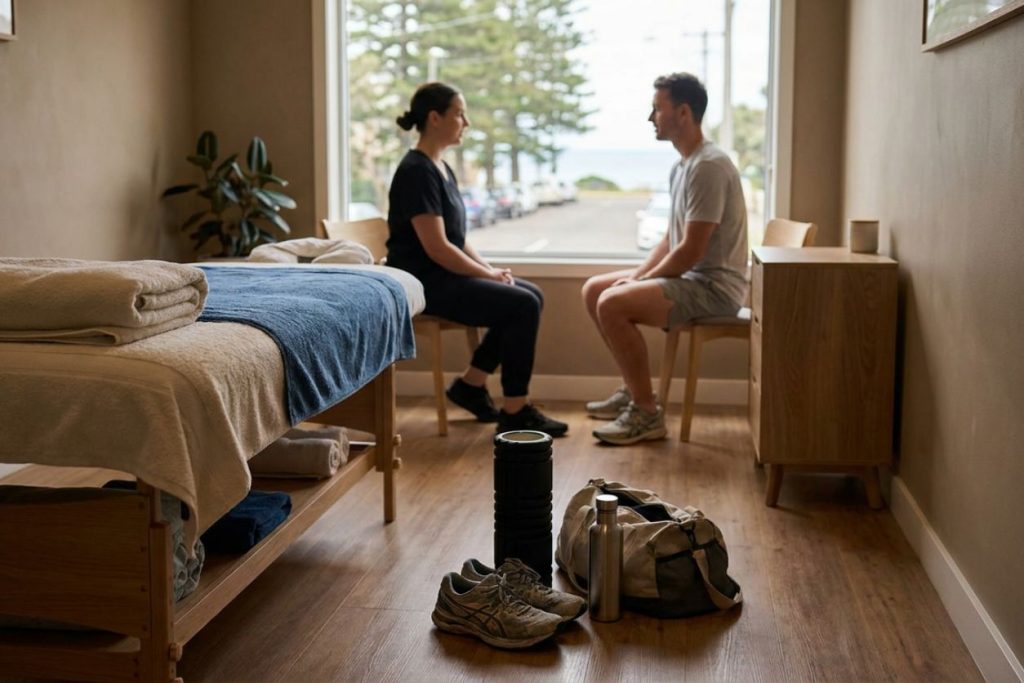
Every year, thousands of Sydney runners gear up for the iconic City to Surf marathon, a challenging event that demands peak physical condition and smart recovery strategies. Selecting the right massage therapy can make a significant difference in performance and post-race healing. Marathon running strains muscles and connective tissues, calling for tailored approaches such as remedial massage, deep tissue massage, sports massage, and lymphatic drainage massage. Each modality offers unique benefits, for pre-race priming to enhance flexibility and muscle readiness, or for post-marathon recovery to reduce inflammation and encourage healing. This article explores how City to Surf participants can effectively use these therapeutic massages to optimise their training, race day preparation, and recovery process in Sydney.
City to Surf & Marathon Running in Sydney: Remedial vs. Deep Tissue Massage
Remedial and deep tissue massages offer biomechanical support crucial for marathon runners, particularly in managing common issues like IT band syndrome, shin splints, and calf or hamstring tightness. Remedial massage focuses on identifying and treating soft tissue dysfunctions that compromise running efficiency and cause pain. It employs targeted techniques to restore mobility and balance muscular tension. Deep tissue massage, on the other hand, applies more intense pressure to the deeper muscle layers, breaking down adhesions and chronic knots that impede optimal function. Sydney runners preparing for and recovering from the City to Surf find that understanding these differences aids in selecting the most appropriate treatment to support their individual needs.
Sports Massage for Pre-Race Priming and Post-Marathon Flush
Sports massage plays a vital role in both pre-race preparation and post-marathon recovery for City to Surf competitors. Prior to the event, sports massage techniques enhance circulation, increase muscle elasticity, and activate neuromuscular pathways crucial for maintaining endurance and reducing injury risk. After crossing the finish line, sports massage assists in flushing out metabolic waste products and easing muscle soreness, promoting faster recovery. Integrating sports massage sessions into training routines enables runners to maintain peak condition and manage the cumulative stress of marathon running.
Lymphatic Drainage Massage: Reducing Inflammation and Recovery After City to Surf
Lymphatic drainage massage provides an effective, gentle approach for minimising swelling and inflammation that often follow the intense exertion of the City to Surf marathon. By stimulating the lymphatic system, this therapy improves fluid circulation and accelerates the removal of toxins and cellular debris from muscle tissues. Marathon runners benefit from reduced post-race edema and enhanced immune support, speeding their overall recovery. Incorporating lymphatic drainage massage into post-event care supports runners in returning to training faster and with fewer complications.
What Are the Key Differences Between Remedial Massage and Deep Tissue Massage?
Remedial and deep tissue massages serve different therapeutic purposes, primarily differing in technique and intention. Remedial massage employs a combination of trigger points, stretching, and pressure-point techniques targeted specifically at addressing injuries and chronic pain. Its focus is to identify and treat underlying issues of the soft tissues which can help restore physical function. Conversely, deep tissue massage concentrates on the deeper layers of muscle and connective tissues, often using slower strokes and the application of intense pressure to relieve muscle tension. This makes it particularly effective for chronic aches and pain. Both techniques can be beneficial, but understanding these nuances is essential for selecting the right treatment method.
How do Remedial Massage techniques target chronic pain and injury rehabilitation?
Remedial massage techniques involve the application of specific strokes that isolate areas of tension and pain, enabling the therapist to address chronic conditions effectively. Various approaches, including cross-fibre friction and trigger point therapy, allow therapists to break down adhesions and improve blood flow. For instance, individuals suffering from conditions like sciatica or tennis elbow often benefit significantly from these targeted techniques, resulting in noticeable pain reduction and improved mobility. Such specialised practices not only aid in rehabilitation but also help in restoring the overall physical function of the affected areas.
In what ways does Deep Tissue Massage improve muscle recovery and mobility?
Deep tissue massage enhances muscle recovery and mobility through its direct impact on the deeper muscle layers. By employing techniques such as sustained pressure and rhythmic strokes, this type of massage can alleviate muscle knots, stiffness, and tightness. Athletes or active individuals often find relief from muscle soreness, facilitating quicker recovery after intense workouts. Aside from aiding recovery, deep tissue massage also improves flexibility, crucial for maintaining an active lifestyle. Clients often report an increased range of motion, enabling them to perform daily activities with greater ease and comfort.
In fact, the effectiveness of massage therapy in managing pain extends to various medical settings.
Incorporating Massage Therapy into Acute Pain Management Effective pain management is a pivotal concern for healthcare facilities and is currently a focus for hospital accreditation bodies. The acute care environment within a hospital presents a prime opportunity to integrate massage therapy for pain relief into a patient-centred, team-based care model. The effects of massage therapy on pain management in the acute care setting, 2010
What Are the Specific Benefits of Remedial Massage for Pain Relief in Sydney Clients?
Remedial massage provides a variety of benefits specifically centered around pain relief and functional recovery for clients in Sydney. The therapeutic applications extend beyond simple relaxation; the massage effectively targets underlying issues contributing to pain. This section will delve deeper into its direct impact on specific conditions and how clients can leverage these benefits for improved wellbeing and daily functionality.
How does Remedial Massage address conditions like TMJ syndrome and sports injuries?
Remedial massage effectively addresses conditions such as temporomandibular joint (TMJ) syndrome and sports injuries by focusing on relieving tension in the affected muscle groups. Normalising muscle tone in and around the jaw, as well as promoting relaxation, helps alleviate TMJ-related pain. For sports injuries, remedial techniques assist in rehabilitating damaged tissues, reducing inflammation, and promoting faster healing. Many clients report reduced pain levels and an improved ability to return to their regular activities, thanks to the application of these targeted techniques.
Furthermore, research suggests remedial massage can be beneficial even for specific and delicate conditions, such as psoas muscle tension in pediatric patients.
Remedial Massage for Psoas Muscle Tension in Paediatric Patients This study aims to examine the symptomatic response of functional gastrointestinal disorders (FGID) in paediatric patients to remedial massage therapy targeting psoas muscle tension and tenderness. Exploring the clinical response of childhood functional gastro-intestinal disorder symptoms to deep tissue massage of psoas muscles: Results of two-year clinical audit, 2020
What improvements in mobility and swelling reduction can clients expect?
Clients can expect significant improvements in mobility and swelling reduction as a direct result of remedial massage therapy. Research studies indicate that those receiving regular sessions tend to experience a reduction in swelling in injured areas due to enhanced lymphatic drainage and blood circulation. Moreover, anecdotal evidence suggests that with consistent treatments, individuals can achieve a noticeable increase in range of motion, promoting overall physical functionality. This increase not only aids in daily activities but also enhances recreational pursuits, contributing positively to overall quality of life.
How Does Deep Tissue Massage Benefit Athletes and Individuals with Chronic Muscle Tension?
Deep tissue massage presents substantial benefits for athletes and those who contend with chronic muscle tension. The incorporation of deeper, targeted techniques allows for better management of tension and pain in the muscles, enhancing athletic performance and overall movement quality. Understanding how this form of massage aids recovery and flexibility is crucial, especially for those looking to maintain a peak physical condition while managing stress levels.
What role does Deep Tissue Massage play in enhancing muscle recovery and flexibility?
The role of deep tissue massage in enhancing muscle recovery and flexibility is pivotal; it allows athletes to recover faster from strenuous activity. By breaking down scar tissue and muscle knots, it expedites recovery processes, effectively minimising the duration and severity of delayed onset muscle soreness (DOMS). As a result, athletes report improved elasticity and fewer injuries during training cycles, which is crucial for longevity in sports. Hence, deep tissue massage is not merely a luxury but an essential part of an athlete’s regimen.
Are there specialised techniques for managing athlete-specific injuries and strains?
Specialised techniques for managing athlete-specific injuries often include methods such as active release and myofascial release, tailored to meet individual needs based on the sport or activity. These approaches focus on problem areas unique to various athletic pursuits, such as the quadriceps for runners or the shoulders for swimmers. They enable therapists to target specific muscle groups to promote recovery and restore optimal performance levels. Clients consistently express satisfaction with the targeted approach, often seeing results reflected in their overall performance.
Is Massage Therapy Safe and Effective During Pregnancy in Sydney?
Massage therapy can be both safe and effective during pregnancy, provided it is performed by qualified therapists trained in prenatal techniques. Expectant mothers often experience discomfort stemming from physiological changes, and appropriate massage techniques can help alleviate these concerns. However, it is essential to ensure practices are specifically designed for prenatal care, allowing for a truly supportive experience.
How can Remedial Massage be customised for prenatal care and pain management?
Remedial massage can be custom-tailored for prenatal care, focusing on areas such as the lower back and hips where tension commonly accumulates during pregnancy. Techniques such as gentle stretching, positional release, and specific targeted techniques can ease discomfort and promote relaxation. Many women report improved comfort levels, both physically and emotionally, highlighting the positive implications of specialised prenatal massage therapy.
What precautions are necessary when applying Deep Tissue Massage during pregnancy?
While deep tissue massage can be beneficial, there are important precautions to take when applying this treatment during pregnancy. Specifically, certain areas of the body should be avoided to minimise risks, and practitioners must adjust pressure levels based on trimester. The application of gentle techniques can promote relaxation without overstressing the body. This ensures that treatments are beneficial and safe, helping alleviate common pregnancy-related aches and enhancing overall wellbeing.
How Do Qualified Therapists at Massage Space Ensure Tailored Treatment for Diverse Needs?
At Massage Space, qualified therapists employ a tailored treatment approach that adapts to the individual needs of clients. This personalisation is crucial for achieving optimal therapeutic outcomes and enhancing client satisfaction. Understanding varying qualifications and how therapies can be adjusted is essential for Sydney residents seeking the most effective treatment options.
What qualifications and specialised skills do Sydney therapists possess?
Therapists at Massage Space vary in qualifications, many of whom hold diplomas in remedial massage or similar disciplines. Continuous education and training allow them to stay updated with the latest techniques, ensuring high-quality care. Their specialised skills include understanding complex musculoskeletal conditions and applying effective treatment protocols tailored to each client’s circumstances. This unique combination of training and experience plays a significant part in the successful application of massage therapy.
How are treatments customised for local clients in Bondi Junction and Woolloomooloo?
Treatments for clients in Bondi Junction and Woolloomooloo are customised based on client history, preferences, and local factors influencing health needs. Therapists assess each client’s condition through comprehensive discussions and physical assessments, allowing for tailored techniques that meet individual requirements. This client-centered approach guarantees that each massage session is constructed to address particular needs, maximising therapeutic effectiveness.
What Are the Practical Considerations for Booking and Pricing Remedial and Deep Tissue Massage in Sydney?
Understanding practical considerations for booking and pricing is essential for clients seeking massage therapy in Sydney. Various service packages cater to diverse requirements, offering flexibility in treatment duration and frequency, alongside a competitive pricing structure to accommodate varying budgets.
How do treatment durations and appointment frequencies vary between massage types?
Treatment durations typically vary, with remedial massage sessions often ranging from 60 to 90 minutes based on the complexity of the condition, while deep tissue massage might involve longer sessions due to the intensity of treatment applied. Regular appointments may be recommended depending on individual recovery timelines, with some clients benefiting from weekly sessions, especially following sports activities or after chronic pain episodes. This consideration in appointment frequency ensures that clients receive adequate care as per their needs.
What local booking options and service packages are available for clients?
Massage Space offers diverse local booking options, including individual sessions and multi-visit packages to cater to different client preferences. Their service packages focus on competitive pricing, making consistent care more accessible for those who require ongoing treatment. Many clients appreciate these options for effectively managing their health and wellbeing, easily accessible through various platforms.
What Are Common Questions About Remedial and Deep Tissue Massage in Sydney?
As interest in massage therapy grows, its common for clients to have questions about the respective benefits and risks associated with remedial and deep tissue massages. Addressing these inquiries can clarify many misconceptions and enhance clients’ understanding of what to expect during treatments.
How does Remedial Massage help with TMJ compared to Deep Tissue Massage?
Remedial massage specifically targets the facial muscles that contribute to TMJ syndrome, using gentle manipulation to relieve tension and restore jaw function. On the other hand, deep tissue massage may not focus as intensely on these specific areas but can alleviate overall tension that indirectly impacts the jaw. Clients often find that remediating the source of discomfort leads to quicker improvements and a clearer course of action.
Is Deep Tissue Massage safe during pregnancy and for chronic pain sufferers?
Deep tissue massage may be safe during pregnancy, provided therapists are specially trained and adapt techniques appropriately. For chronic pain sufferers, it can be beneficial but must be applied carefully to avoid exacerbating symptoms. Clients are encouraged to discuss their conditions and expectations with their therapists to establish a safe and effective treatment plan.