

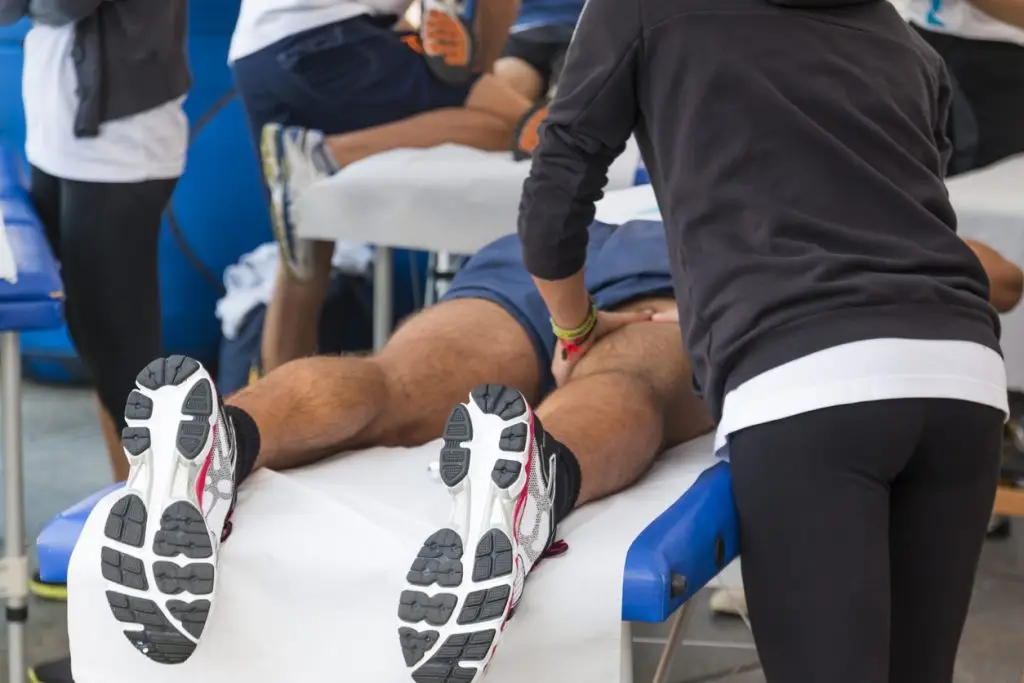
Whether you’re recovering after an intense workout, managing muscle tightness, returning from surgery, or simply looking to improve your overall wellbeing, choosing the right type of massage can make a significant difference to your recovery. While there are many forms of massage therapy, two of the most commonly recommended treatments for recovery are sports massage and lymphatic drainage massage.
Although both therapies support the body’s recovery processes, they are designed for very different purposes. Sports massage focuses on muscles, tendons, and connective tissue to relieve tension and improve physical performance, while lymphatic drainage massage targets the lymphatic system to help manage fluid retention, reduce swelling, and support the body’s natural healing mechanisms.
At Massage Space in Bondi Junction, our experienced therapists provide both treatments, tailoring every session to your individual goals, health history, and lifestyle. Whether you’re an athlete preparing for your next event, recovering from an injury, or looking to reduce swelling and improve circulation, understanding the differences between these therapies will help you choose the most appropriate treatment.
In this guide, we’ll explain how each massage works, who can benefit, and how to decide which recovery treatment is right for you.
Why Recovery Matters
Recovery is often overlooked, yet it plays a vital role in maintaining long-term health, mobility, and physical performance.
Exercise, repetitive movements, prolonged sitting, surgery, and everyday stress all place demands on the body. Without adequate recovery, muscles can remain tight, inflammation may persist, and fatigue can build over time.
A well-rounded recovery plan can help:
- Reduce muscle soreness
- Improve flexibility and mobility
- Support healthy circulation
- Manage temporary swelling
- Promote relaxation
- Reduce the risk of injury
- Improve overall wellbeing
Massage therapy is one component of an effective recovery routine and, when combined with good nutrition, hydration, quality sleep, and regular movement, can help people recover more comfortably and return to their normal activities sooner.
What Is Sports Massage?
Sports massage is a targeted treatment designed to improve muscle function, reduce soft tissue tension, and assist with recovery after physical activity.
Despite its name, sports massage isn’t only for elite athletes. It is suitable for anyone experiencing muscle tightness, stiffness, or discomfort resulting from exercise, work, or daily activities.
Sports massage combines several manual therapy techniques, including:
- Deep tissue massage
- Trigger point therapy
- Stretching techniques
- Soft tissue mobilisation
- Myofascial release
The pressure used during sports massage is generally firmer than relaxation massage, allowing therapists to work deeper into the muscles and surrounding connective tissues.
The primary goal is to restore normal movement, reduce muscle tension, and improve physical function.
Who Can Benefit from Sports Massage?
Sports massage is suitable for a wide range of clients, including:
- Runners preparing for City2Surf or marathons
- Gym members
- Cyclists
- Swimmers
- Football and rugby players
- Tennis players
- CrossFit athletes
- Office workers experiencing neck and shoulder tension
- Tradespeople performing repetitive physical work
Many people also book sports massages before or after sporting events to complement their training and support recovery.
Potential benefits may include:
- Improved flexibility
- Reduced muscle tightness
- Better joint mobility
- Relief from muscular discomfort
- Improved movement patterns
- Enhanced recovery following exercise
Sports massage can also become part of an ongoing maintenance program for people who train regularly or have physically demanding occupations.
What Is Lymphatic Drainage Massage?
Lymphatic drainage massage is a specialised treatment that supports the body’s lymphatic system using slow, gentle, and rhythmic hand movements.
Unlike sports massage, which works directly on muscles, lymphatic drainage massage focuses on encouraging the natural movement of lymph fluid throughout the body.
The lymphatic system is responsible for:
- Maintaining fluid balance
- Supporting immune function
- Transporting waste products
- Moving lymph fluid through lymph vessels
- Assisting with tissue healing
Because the lymphatic system does not have its own pump, it relies on muscle movement, breathing, and gentle manual stimulation to keep lymph fluid circulating efficiently.
Lymphatic drainage massage is designed to complement these natural processes.
Who Can Benefit from Lymphatic Drainage Massage?
Lymphatic drainage massage is appropriate for many people seeking gentle therapeutic support.
Clients commonly seek treatment for:
- Temporary fluid retention
- Swelling following surgery (with medical clearance)
- Pregnancy-related swelling where appropriate
- Recovery after intense exercise
- Feelings of heaviness in the legs
- Long periods of sitting or travel
- General relaxation and well-being
Because the pressure used is extremely gentle, many people find lymphatic drainage massage deeply relaxing while also supporting their recovery goals.
How Do You Know Which Treatment You Need?
One of the most common questions therapists hear is:
“Should I book a sports massage or a lymphatic drainage massage?”
The answer depends on what your body is telling you.
If your muscles feel tight after training, your neck and shoulders are stiff from work, or you’re recovering from repetitive physical activity, sports massage may be the most suitable option.
If you’re experiencing swelling, fluid retention, heavy legs, or you’re recovering from surgery with medical approval, lymphatic drainage massage may be more appropriate.
During your initial consultation at Massage Space, your therapist will discuss your health history, current symptoms, and recovery goals before recommending the treatment most suited to your individual needs.
This personalised approach ensures every session is designed to provide the greatest benefit rather than applying the same treatment to every client.
Choosing the right massage therapy depends on your symptoms, lifestyle, and recovery objectives. While sports massage and lymphatic drainage massage both support recovery, each treatment addresses different physical concerns.
It’s important to remember that recovery is rarely one-size-fits-all. Some clients may even benefit from incorporating both treatments into their wellness routine at different times, depending on their needs.
Sports Massage for Active Lifestyles
Sports massage is one of the most effective treatments for people who place regular physical demands on their bodies.
Whether you’re training for City2Surf, preparing for a marathon, attending the gym several times a week, or working in a physically demanding job, repetitive movement can create muscle tightness, reduced flexibility, and ongoing fatigue.
Sports massage works by targeting muscles and surrounding soft tissues that have become tight or overworked.
Common reasons people book sports massage include:
- Tight calves after running
- Neck and shoulder tension from desk work
- Lower back discomfort
- Reduced flexibility
- Muscle soreness after training
- Recovery between sporting events
- Preventative maintenance during training programs
By improving soft tissue mobility and reducing muscular tension, sports massage helps many people move more comfortably and maintain consistent activity levels.
When Is Lymphatic Drainage Massage the Better Option?
There are situations where the body’s muscles aren’t the primary concern.
Instead, issues such as swelling, fluid retention, or feelings of heaviness may indicate that supporting the lymphatic system is more appropriate.
Lymphatic drainage massage may be suitable for people experiencing:
- Temporary swelling
- Fluid retention
- Heavy or tired legs
- Post-travel discomfort
- Pregnancy-related swelling (where appropriate)
- Recovery following surgery after medical clearance
- General wellness support
Unlike sports massage, the treatment uses gentle, rhythmic movements that encourage healthy lymphatic circulation without placing additional stress on the body’s tissues.
Many clients describe feeling lighter and more relaxed following treatment.
Lymphatic Drainage Massage After Surgery
One of the most common reasons clients seek lymphatic drainage massage is to support recovery following surgery.
Surgical procedures naturally trigger inflammation and temporary swelling as part of the body’s healing response.
Once your surgeon or healthcare provider has confirmed it is appropriate, lymphatic drainage massage may become part of your recovery plan.
Potential benefits include:
- Helping manage temporary swelling
- Improving comfort during recovery
- Supporting healthy tissue healing
- Encouraging natural lymphatic circulation
- Promoting relaxation during rehabilitation
Every recovery is unique, so treatment should always be guided by your medical team and tailored to your individual circumstances.
Can You Have Both Treatments?
Absolutely.
Many clients benefit from both sports massage and lymphatic drainage massage at different stages of their recovery.
For example:
A marathon runner may choose sports massage during heavy training weeks to address muscle tightness and maintain flexibility.
Following race day, the same runner may choose lymphatic drainage massage to help manage temporary swelling and support post-event recovery.
Likewise, someone returning to exercise after surgery may initially receive lymphatic drainage massage during rehabilitation before progressing to sports massage once muscle conditioning becomes a priority.
Rather than competing with one another, these treatments often complement each other when used at the appropriate time.
What Happens During Your Appointment?
At Massage Space, every treatment begins with a personalised consultation.
Your therapist will take the time to understand:
- Your health history
- Current symptoms
- Physical activity levels
- Previous injuries or surgeries
- Recovery goals
- Lifestyle factors
This allows your therapist to recommend the most appropriate treatment and adjust techniques to suit your individual needs.
During a Sports Massage
Sports massage generally involves firm pressure applied to muscles and connective tissues.
Depending on your goals, your therapist may incorporate:
- Deep tissue techniques
- Trigger point therapy
- Stretching
- Soft tissue mobilisation
Some areas may feel tender while being treated, particularly if muscles are particularly tight. Your therapist will always work within your comfort level and adjust pressure where needed.
During a Lymphatic Drainage Massage
Lymphatic drainage massage is very different.
Using light, rhythmic movements, your therapist works along the natural pathways of the lymphatic system to encourage healthy fluid movement.
The treatment is gentle, calming, and designed to promote relaxation while supporting the body’s natural recovery processes.
Many clients are surprised by how soothing the session feels and often leave feeling refreshed, lighter, and deeply relaxed.
Why a Personalised Assessment Matters
No two clients present with the same needs.
Two people may both experience sore legs, but the underlying cause could be completely different.
One person may have muscle tightness from marathon training, while another may be experiencing fluid retention after travel or surgery.
This is why professional assessment is so important.
Rather than automatically recommending one treatment, experienced therapists assess your symptoms before developing an individual treatment plan designed around your recovery goals.
At Massage Space, this personalised approach helps ensure every client receives the therapy most appropriate for their condition rather than a generic treatment.
How to Choose the Right Massage Therapist in Bondi Junction
Choosing the right massage therapist is just as important as selecting the right treatment. An experienced therapist will take the time to understand your health history, lifestyle, and recovery goals before recommending the most appropriate approach.
When researching a massage therapist, look for someone who:
- Is qualified and experienced in the treatment you require
- Performs a thorough consultation before treatment
- Tailors every session to your individual needs
- Explains the benefits and expected outcomes clearly
- Provides aftercare advice to support your recovery
- Has positive reviews from clients with similar concerns
- Offers a clean, professional, and welcoming environment
If you’re unsure whether sports massage or lymphatic drainage massage is right for you, don’t worry. A qualified therapist should assess your symptoms rather than making assumptions, ensuring your treatment aligns with your current condition and long-term wellbeing.
Recovery Doesn’t End When You Leave the Clinic
Massage therapy is one part of a broader recovery strategy. To get the most from your treatment, it’s important to continue supporting your body between appointments.
Simple habits can make a significant difference, including:
Stay Hydrated
Water plays an important role in many normal bodily functions, including circulation and recovery. Drinking enough water before and after your massage can help you feel your best.
Keep Moving
Gentle movement such as walking or stretching can help maintain mobility after treatment. Unless advised otherwise by your therapist or healthcare provider, avoiding prolonged inactivity can support ongoing recovery.
Prioritise Sleep
Sleep is one of the body’s most effective recovery tools. During sleep, your body repairs tissues, restores energy, and adapts to physical demands. Combining quality sleep with appropriate massage therapy can help support long-term wellbeing.
Eat a Balanced Diet
Nutritious meals that include lean protein, whole grains, healthy fats, and plenty of fruit and vegetables provide your body with the fuel it needs to recover after exercise or busy periods.
Listen to Your Body
Recovery needs to change over time. If you notice increasing muscle tightness, ongoing fatigue, swelling or reduced mobility, it may be time to book another treatment or discuss your symptoms with a qualified health professional.
Why Regular Massage Can Support Long-Term Wellbeing
Many people initially book massage therapy to address a specific concern, such as muscle soreness or swelling. However, regular treatments can become an important part of an ongoing health and wellness routine.
Depending on your lifestyle, massage therapy may help you:
- Stay active and mobile
- Recover more comfortably after exercise
- Manage work-related muscle tension
- Reduce physical stress
- Support flexibility and movement
- Encourage relaxation and mental wellbeing
Rather than waiting until discomfort becomes severe, many clients choose regular maintenance treatments that complement their exercise routine and everyday lifestyle.
Frequently Asked Questions
Which massage is better after exercise?
It depends on your recovery needs. Sports massage is often chosen to address muscle tightness and soft tissue tension, while lymphatic drainage massage may be appropriate if you’re experiencing temporary swelling or feelings of heaviness after prolonged physical activity.
Is lymphatic drainage massage good after surgery?
Once your surgeon or healthcare provider has confirmed it is appropriate, lymphatic drainage massage may help support recovery by encouraging healthy lymphatic circulation and helping manage temporary swelling.
Can I combine sports massage and lymphatic drainage massage?
Yes. Many clients benefit from both treatments at different stages of their recovery. Your therapist can recommend the most suitable approach based on your symptoms and goals.
Is a sports massage only for athletes?
No. Sports massage is suitable for anyone experiencing muscle tightness, reduced mobility, or soft tissue discomfort. Office workers, tradespeople, gym members, and recreational exercisers commonly benefit from sports massage.
How often should I book a massage?
Treatment frequency varies depending on your lifestyle, activity levels, and recovery goals. Some people book monthly maintenance sessions, while others attend more frequently during heavy training periods or following surgery, with medical approval where appropriate.
What should I wear to my appointment?
Wear comfortable clothing that is easy to change in and out of. Your therapist will explain what to expect before your treatment begins and ensure your comfort and privacy throughout the session.
Will my treatment be personalised?
Yes. Every appointment at Massage Space begins with a consultation to understand your health history, symptoms, and recovery goals. This allows your therapist to tailor the treatment to your individual needs.
Why Massage Space?
At Massage Space, we believe that no two clients are the same. Whether you’re training for your next sporting event, managing the physical demands of work, recovering after surgery, or simply looking to improve your overall wellbeing, our experienced therapists take a personalised approach to every treatment.
We offer a range of massage therapies, including sports massage and lymphatic drainage massage, allowing us to recommend the most appropriate treatment based on your condition rather than applying a one-size-fits-all approach.
Conveniently located in Bondi Junction, our welcoming clinic provides a calm, professional environment where clients can focus on recovery, movement and long-term wellness.
Conclusion
Choosing between sports massage and lymphatic drainage massage doesn’t have to be confusing. While both therapies support recovery and wellbeing, they work in different ways and are designed to address different concerns. Sports massage focuses on relieving muscle tension, improving mobility and supporting physical performance, while lymphatic drainage massage encourages healthy lymphatic circulation, helping to manage temporary swelling, fluid retention and post-exercise or post-surgical recovery. Understanding these differences allows you to make informed decisions about the treatment that best suits your body and your goals.
At Massage Space, we’re committed to helping every client receive the care that’s right for them. Our experienced therapists take the time to assess your individual needs before recommending a personalised treatment plan, whether that involves sports massage, lymphatic drainage massage or a combination of both. If you’re looking for professional massage therapy in Bondi Junction to support recovery, improve mobility or enhance your overall wellbeing, Massage Space is here to help you move, feel and recover with confidence.