
The Ultimate Guide to Lymphatic Drainage Massage for Runners: Preparing for City2Surf and Marathon Recovery
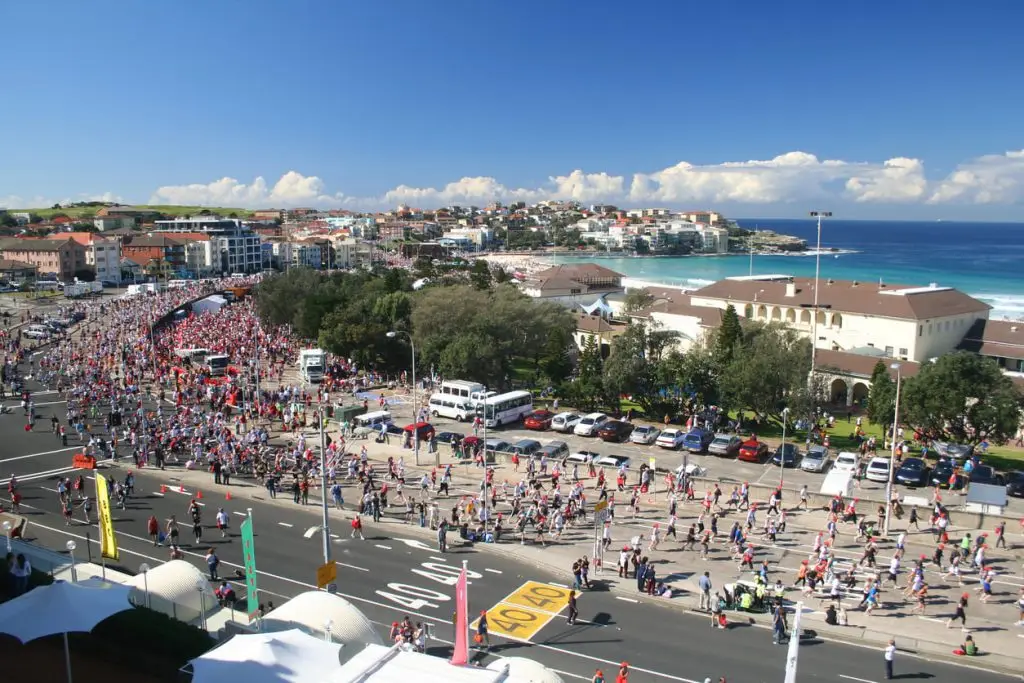
Every year, thousands of runners line up at the start of the City2Surf, one of Australia’s most iconic fun runs. Whether you’re aiming to achieve a personal best, complete your first 14-kilometre event or simply enjoy the atmosphere, preparing for race day involves far more than following a training plan. Recovery is just as important as the kilometres you log each week. As race day approaches, many runners focus on building endurance, improving speed, and refining their nutrition. However, overlooking recovery can lead to muscle fatigue, lingering soreness, reduced performance, and an increased risk of injury. The body needs time to repair, adapt, and recover from the physical demands of training, particularly during the final weeks before a major event. One recovery technique that is increasingly popular among runners is lymphatic drainage massage. Unlike deep-tissue or sports massage, lymphatic drainage massage uses gentle, rhythmic techniques to support the body’s natural recovery processes by promoting healthy lymphatic circulation. Many runners include it as part of their recovery routine to help manage swelling, reduce feelings of heaviness in the legs, and promote overall wellbeing. Whether you’re training for City2Surf, a half marathon, a full marathon, or simply enjoy running recreationally, understanding how lymphatic drainage massage fits into your training plan can help you recover more effectively and arrive at the start line feeling your best. Why Recovery Is Just as Important as Training Training creates progress, but recovery is when your body adapts and becomes stronger. Every run places stress on muscles, joints, and connective tissues. Long-distance runs, hill sessions, and interval training all create tiny muscle tears that trigger the body’s natural repair process. This process is completely normal and essential for improving endurance and strength. However, if recovery is inadequate, runners may experience: Persistent muscle soreness Heavy or tired legs Reduced mobility Ongoing fatigue Increased risk of overuse injuries Slower training progression Recovery isn’t simply about resting. It involves supporting your body’s natural healing processes through good nutrition, hydration, sleep, mobility work, and appropriate recovery treatments. By recovering well between sessions, runners can train more consistently while reducing the likelihood of injury during demanding training blocks. What Is Lymphatic Drainage Massage? Lymphatic drainage massage is a specialised manual therapy designed to encourage the natural movement of lymph fluid throughout the body. The lymphatic system plays an important role in maintaining fluid balance, supporting immune function, and transporting waste products away from body tissues. Unlike the circulatory system, which relies on the heart to pump blood, the lymphatic system depends on muscle contractions, breathing, and body movement to keep lymph fluid circulating efficiently. After long runs or intense training sessions, temporary inflammation and fluid accumulation can occur as part of the body’s normal recovery process. Lymphatic drainage massage uses slow, gentle, and rhythmic movements that follow the direction of lymphatic flow. These specialised techniques encourage healthy lymphatic circulation and complement the body’s natural recovery mechanisms. Because the treatment uses very light pressure, many runners find it deeply relaxing while still providing valuable recovery benefits. How Running Affects the Body Running is one of the most accessible forms of exercise, but it places considerable demands on the body. With every stride, your muscles, tendons, and joints absorb repetitive impact forces. While your body adapts remarkably well to these stresses over time, adequate recovery remains essential. Long-distance running can contribute to: Muscle fatigue Temporary inflammation Fluid retention Tight calves and hamstrings Heavy legs Joint stiffness Delayed onset muscle soreness (DOMS) Events such as City2Surf are particularly demanding because they combine distance with significant elevation changes, including the famous Heartbreak Hill climb. As training intensity increases, many runners notice that their legs feel heavier, recovery takes longer, and soreness lingers between sessions. This is where structured recovery strategies become increasingly valuable. How Lymphatic Drainage Massage Supports Runners Lymphatic drainage massage is not designed to replace stretching, strength training, or proper nutrition. Instead, it complements a well-rounded recovery program. By encouraging healthy lymphatic circulation, many runners report feeling lighter, more mobile, and better prepared for their next training session. Some of the potential benefits include: Supporting post-run recovery Reducing temporary swelling Promoting relaxation Helping manage feelings of heaviness in the legs Supporting healthy circulation Complementing existing recovery routines Many runners choose to incorporate lymphatic drainage massage alongside mobility exercises, foam rolling, and sports massage to create a balanced approach to recovery. Key Benefits of Lymphatic Drainage Massage for Runners Reduced Swelling After Long Runs Long training sessions, particularly during marathon preparation, can leave the legs feeling swollen or fatigued. Lymphatic drainage massage encourages healthy fluid movement, helping the body manage temporary fluid retention that may occur after prolonged exercise. Many runners report that their legs feel noticeably lighter after treatment. Supporting Muscle Recovery Running places repetitive stress on muscles throughout the body. Although lymphatic drainage massage does not directly target muscle tension in the same way as sports massage, it supports the body’s overall recovery processes by encouraging healthy lymphatic flow. Combined with adequate rest, hydration, and nutrition, this can become an important part of a runner’s recovery strategy. Helping You Feel Lighter Between Training Sessions One of the most common comments from runners following lymphatic drainage massage is the sensation of “lighter legs.” During demanding training blocks, particularly while preparing for City2Surf or a marathon, cumulative fatigue can leave the lower limbs feeling heavy and sluggish. Supporting healthy fluid movement may help reduce this sensation, allowing runners to feel more comfortable during subsequent training sessions. Encouraging Relaxation Training for a major event isn’t only physically demanding, it can also be mentally exhausting. Balancing work, family commitments, and a structured training schedule often creates additional stress. The slow, rhythmic techniques used during lymphatic drainage massage encourage relaxation, giving runners valuable time to unwind while supporting overall wellbeing. This sense of relaxation may also contribute to improved sleep quality, which plays an important role in physical recovery. Supporting Immune Function During Heavy Training Intense endurance training can place additional demands on the immune system. The