

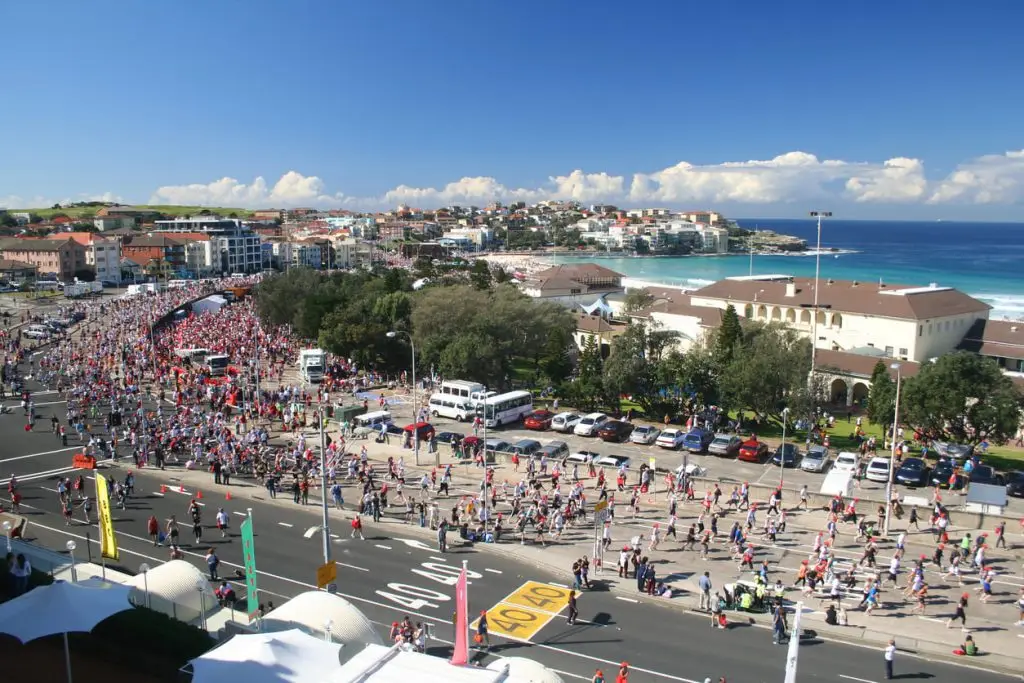
Every year, thousands of runners line up at the start of the City2Surf, one of Australia’s most iconic fun runs. Whether you’re aiming to achieve a personal best, complete your first 14-kilometre event or simply enjoy the atmosphere, preparing for race day involves far more than following a training plan. Recovery is just as important as the kilometres you log each week.
As race day approaches, many runners focus on building endurance, improving speed, and refining their nutrition. However, overlooking recovery can lead to muscle fatigue, lingering soreness, reduced performance, and an increased risk of injury. The body needs time to repair, adapt, and recover from the physical demands of training, particularly during the final weeks before a major event.
One recovery technique that is increasingly popular among runners is lymphatic drainage massage. Unlike deep-tissue or sports massage, lymphatic drainage massage uses gentle, rhythmic techniques to support the body’s natural recovery processes by promoting healthy lymphatic circulation. Many runners include it as part of their recovery routine to help manage swelling, reduce feelings of heaviness in the legs, and promote overall wellbeing.
Whether you’re training for City2Surf, a half marathon, a full marathon, or simply enjoy running recreationally, understanding how lymphatic drainage massage fits into your training plan can help you recover more effectively and arrive at the start line feeling your best.
Why Recovery Is Just as Important as Training
Training creates progress, but recovery is when your body adapts and becomes stronger.
Every run places stress on muscles, joints, and connective tissues. Long-distance runs, hill sessions, and interval training all create tiny muscle tears that trigger the body’s natural repair process. This process is completely normal and essential for improving endurance and strength.
However, if recovery is inadequate, runners may experience:
- Persistent muscle soreness
- Heavy or tired legs
- Reduced mobility
- Ongoing fatigue
- Increased risk of overuse injuries
- Slower training progression
Recovery isn’t simply about resting. It involves supporting your body’s natural healing processes through good nutrition, hydration, sleep, mobility work, and appropriate recovery treatments.
By recovering well between sessions, runners can train more consistently while reducing the likelihood of injury during demanding training blocks.
What Is Lymphatic Drainage Massage?
Lymphatic drainage massage is a specialised manual therapy designed to encourage the natural movement of lymph fluid throughout the body.
The lymphatic system plays an important role in maintaining fluid balance, supporting immune function, and transporting waste products away from body tissues.
Unlike the circulatory system, which relies on the heart to pump blood, the lymphatic system depends on muscle contractions, breathing, and body movement to keep lymph fluid circulating efficiently.
After long runs or intense training sessions, temporary inflammation and fluid accumulation can occur as part of the body’s normal recovery process.
Lymphatic drainage massage uses slow, gentle, and rhythmic movements that follow the direction of lymphatic flow. These specialised techniques encourage healthy lymphatic circulation and complement the body’s natural recovery mechanisms.
Because the treatment uses very light pressure, many runners find it deeply relaxing while still providing valuable recovery benefits.
How Running Affects the Body
Running is one of the most accessible forms of exercise, but it places considerable demands on the body.
With every stride, your muscles, tendons, and joints absorb repetitive impact forces. While your body adapts remarkably well to these stresses over time, adequate recovery remains essential.
Long-distance running can contribute to:
- Muscle fatigue
- Temporary inflammation
- Fluid retention
- Tight calves and hamstrings
- Heavy legs
- Joint stiffness
- Delayed onset muscle soreness (DOMS)
Events such as City2Surf are particularly demanding because they combine distance with significant elevation changes, including the famous Heartbreak Hill climb.
As training intensity increases, many runners notice that their legs feel heavier, recovery takes longer, and soreness lingers between sessions.
This is where structured recovery strategies become increasingly valuable.
How Lymphatic Drainage Massage Supports Runners
Lymphatic drainage massage is not designed to replace stretching, strength training, or proper nutrition. Instead, it complements a well-rounded recovery program.
By encouraging healthy lymphatic circulation, many runners report feeling lighter, more mobile, and better prepared for their next training session.
Some of the potential benefits include:
- Supporting post-run recovery
- Reducing temporary swelling
- Promoting relaxation
- Helping manage feelings of heaviness in the legs
- Supporting healthy circulation
- Complementing existing recovery routines
Many runners choose to incorporate lymphatic drainage massage alongside mobility exercises, foam rolling, and sports massage to create a balanced approach to recovery.
Key Benefits of Lymphatic Drainage Massage for Runners
Reduced Swelling After Long Runs
Long training sessions, particularly during marathon preparation, can leave the legs feeling swollen or fatigued.
Lymphatic drainage massage encourages healthy fluid movement, helping the body manage temporary fluid retention that may occur after prolonged exercise.
Many runners report that their legs feel noticeably lighter after treatment.
Supporting Muscle Recovery
Running places repetitive stress on muscles throughout the body.
Although lymphatic drainage massage does not directly target muscle tension in the same way as sports massage, it supports the body’s overall recovery processes by encouraging healthy lymphatic flow.
Combined with adequate rest, hydration, and nutrition, this can become an important part of a runner’s recovery strategy.
Helping You Feel Lighter Between Training Sessions
One of the most common comments from runners following lymphatic drainage massage is the sensation of “lighter legs.”
During demanding training blocks, particularly while preparing for City2Surf or a marathon, cumulative fatigue can leave the lower limbs feeling heavy and sluggish.
Supporting healthy fluid movement may help reduce this sensation, allowing runners to feel more comfortable during subsequent training sessions.
Encouraging Relaxation
Training for a major event isn’t only physically demanding, it can also be mentally exhausting.
Balancing work, family commitments, and a structured training schedule often creates additional stress.
The slow, rhythmic techniques used during lymphatic drainage massage encourage relaxation, giving runners valuable time to unwind while supporting overall wellbeing.
This sense of relaxation may also contribute to improved sleep quality, which plays an important role in physical recovery.
Supporting Immune Function During Heavy Training
Intense endurance training can place additional demands on the immune system.
The lymphatic system plays an essential role in immune function by transporting lymph fluid and supporting the movement of immune cells throughout the body.
While lymphatic drainage massage is not a treatment for illness or a way to “boost” immunity, maintaining healthy lymphatic circulation supports one of the body’s natural systems responsible for fluid balance and immune function.
For runners training consistently over several months, supporting overall health is just as important as preparing physically for race day.
When Should You Book a Lymphatic Drainage Massage Before City2Surf?
Timing your recovery treatments can make a significant difference to how you feel on race day. While every runner’s training plan is different, lymphatic drainage massage can be strategically incorporated throughout your preparation to support recovery without interfering with performance.
Two to Three Weeks Before Race Day
During the final stages of training, your weekly distance is often at its highest before tapering begins. This is an excellent time to book a lymphatic drainage massage to help your body recover from demanding training sessions.
Treatment during this period may help:
- Reduce feelings of heaviness in the legs
- Support recovery between long runs
- Encourage relaxation
- Complement your tapering strategy
Many runners use this stage to ensure their recovery is keeping pace with their training.
One Week Before City2Surf
As your training volume decreases, recovery becomes the primary focus.
A gentle lymphatic drainage massage several days before the event can help you feel refreshed without placing additional stress on already hard-working muscles.
Many therapists recommend avoiding any intensive bodywork immediately before race day, allowing your body to feel settled and comfortable heading into the event.
Should You Have a Massage the Day Before?
Generally, it is better to avoid introducing any new treatment immediately before a major event.
While lymphatic drainage massage is very gentle, most runners benefit from allowing at least 48 hours before race day so the body has time to settle naturally.
The final day before City2Surf is usually best spent focusing on:
- Hydration
- Good nutrition
- Light stretching
- Gentle walking
- Quality sleep
- Preparing your race gear
When Should You Book a Massage After City2Surf?
Crossing the finish line is an incredible achievement, but recovery starts almost immediately.
Following a race such as City2Surf, runners often experience:
- Muscle soreness
- Tight calves
- Heavy legs
- Mild swelling
- General fatigue
Many runners choose to schedule a lymphatic drainage massage within the first 24 to 72 hours after the event, depending on how they are feeling.
This timeframe allows the body to begin its natural recovery while providing additional support through gentle lymphatic stimulation.
If you’ve completed a marathon or ultramarathon, your recovery period may be longer, and your therapist can recommend an appropriate treatment schedule based on your individual needs.
Lymphatic Drainage Massage vs Sports Massage
One of the most common questions runners ask is whether they should book a sports massage or a lymphatic drainage massage.
The answer depends on your recovery goals.
| Sports Massage | Lymphatic Drainage Massage |
| Uses firm pressure | Uses gentle rhythmic movements |
| Targets muscles and connective tissue | Targets the lymphatic system |
| Helps release muscle tightness | Helps encourage healthy lymphatic flow |
| Suitable for muscle tension | Suitable for swelling and recovery support |
| Can feel intense | Deeply relaxing |
Sports massage is often preferred when dealing with muscle tightness, trigger points, or reduced flexibility.
Lymphatic drainage massage is ideal when your body feels heavy, swollen, or fatigued following long periods of training or competition.
Many experienced runners incorporate both therapies into their recovery program at different stages of their training cycle.
Recovery Tips Every Runner Should Follow
Massage therapy works best when combined with other healthy recovery habits.
To give your body the best opportunity to recover after training and racing, consider including the following in your routine.
Prioritise Hydration
Sweating during long runs results in fluid loss that needs to be replaced.
Drinking enough water throughout the day supports normal physiological processes and is an important part of post-run recovery.
Eat for Recovery
Following longer training sessions or races, your body needs nutrients to repair and replenish energy stores.
Aim to include:
- Lean protein
- Quality carbohydrates
- Healthy fats
- Fresh fruit and vegetables
Eating soon after exercise can help support the body’s normal recovery process.
Don’t Neglect Sleep
Sleep is one of the most effective recovery tools available.
During sleep, your body repairs muscle tissue, restores energy, and adapts to training.
Most adults should aim for seven to nine hours of quality sleep each night, with runners often benefiting from additional rest during heavy training periods.
Keep Moving
Although complete rest has its place, gentle movement often supports recovery more effectively than remaining inactive for extended periods.
Easy walking, light stretching, or mobility exercises can help reduce stiffness and improve comfort after long runs.
Listen to Your Body
Not every training session needs to be followed by another hard workout.
Persistent soreness, unusual fatigue, or declining performance can all be signs that additional recovery is needed.
Building recovery into your training plan is just as important as scheduling your long runs.
Creating a Complete Recovery Plan
Preparing for City2Surf or a marathon isn’t simply about increasing your weekly kilometres.
Successful runners understand that consistent recovery allows them to train consistently throughout their preparation.
A balanced recovery plan may include:
- Structured training
- Strength training
- Mobility exercises
- Proper hydration
- Balanced nutrition
- Adequate sleep
- Foam rolling
- Stretching
- Sports massage where appropriate
- Lymphatic drainage massage to complement recovery
Rather than relying on one recovery technique, combining several evidence-informed strategies creates a stronger foundation for long-term performance.
By taking care of your body throughout training, you’ll be better prepared to enjoy the experience on race day and recover more comfortably afterwards.
How to Choose the Right Lymphatic Drainage Massage Therapist
Not all massage therapists provide the same style of treatment, and lymphatic drainage massage requires specialised training and an understanding of how the lymphatic system functions. Choosing an experienced therapist can make a significant difference to both your comfort and your recovery.
When researching a therapist, look for someone who:
- Has training in Manual Lymphatic Drainage (MLD)
- Takes the time to complete a thorough health assessment before treatment
- Understands the demands of running, endurance training, and recovery
- Personalises each treatment rather than using a one-size-fits-all approach
- Provides a clean, calm, and professional treatment environment
- Clearly explains aftercare recommendations
- Has positive reviews from clients with similar recovery goals
If you’re preparing for an event like City2Surf, let your therapist know where you are in your training cycle. This allows them to tailor your treatment appropriately, whether you’re in a heavy training block, tapering before race day, or recovering after the event.
What Happens During a Lymphatic Drainage Massage?
If you’ve never experienced lymphatic drainage massage before, you’ll probably notice how different it feels from a traditional remedial or sports massage.
Rather than applying firm pressure to muscles, your therapist uses slow, precise, and rhythmic hand movements that follow the natural direction of the lymphatic system.
A typical appointment includes:
Initial Consultation
Your therapist will discuss:
- Your training schedule
- Upcoming events
- Recent injuries
- Medical history
- Areas of discomfort
- Recovery goals
This ensures your treatment is suitable for your individual needs.
Personalised Treatment
Once the consultation is complete, you’ll lie comfortably while your therapist performs gentle manual techniques designed to encourage healthy lymphatic circulation.
The pressure remains light throughout the session, making the treatment deeply relaxing while supporting the body’s natural recovery processes.
Sessions generally last between 60 and 90 minutes, depending on your requirements.
Aftercare Advice
Following your appointment, your therapist may recommend:
- Staying well hydrated
- Gentle walking or mobility exercises
- Avoiding strenuous activity immediately after treatment, if appropriate
- Continuing with your recovery plan, including nutrition and sleep
Many runners notice they feel lighter, more mobile, and deeply relaxed after their session.
Common Mistakes Runners Make During Recovery
Training plans often receive plenty of attention, but recovery is sometimes overlooked.
Some of the most common mistakes include:
Ignoring Recovery Days
Rest days are an important part of every successful training program. They allow your body time to adapt and recover before the next session.
Waiting Until You’re Injured
Many runners only seek massage after pain develops. Incorporating recovery treatments throughout your training block can help support your overall recovery routine rather than waiting until discomfort affects your performance.
Doing Too Much Before Race Day
The final week before City2Surf isn’t the time for hard training sessions or trying new recovery techniques.
Trust your preparation and focus on arriving at the start line feeling fresh, well-rested and confident.
Forgetting Recovery After the Finish Line
Many runners celebrate finishing the race but neglect their recovery in the days that follow.
Continuing to prioritise hydration, nutrition, gentle movement and appropriate recovery treatments after the event helps your body return to training more comfortably.
Frequently Asked Questions
Is lymphatic drainage massage good before City2Surf?
Yes. Many runners choose to include lymphatic drainage massage during the final weeks of training to support recovery, reduce feelings of heaviness, and complement their taper before race day.
How soon after City2Surf should I book a massage?
Many runners find that booking a lymphatic drainage massage within 24 to 72 hours after the event fits well into their recovery routine. The exact timing depends on your individual recovery and any advice from your healthcare provider.
Can lymphatic drainage massage improve my running performance?
Lymphatic drainage massage is not a performance-enhancing treatment. However, by supporting recovery, reducing temporary swelling, and helping runners feel refreshed between training sessions, it may assist athletes in maintaining consistent training over time.
Is lymphatic drainage massage painful?
No. Unlike sports or deep tissue massage, lymphatic drainage massage uses very gentle pressure and slow, rhythmic movements. Most runners find the treatment relaxing and comfortable.
Should I choose a sports massage or a lymphatic drainage massage?
Both treatments have their place.
Sports massage focuses on muscle tightness, flexibility, and soft tissue tension, while lymphatic drainage massage supports healthy lymphatic circulation and recovery. Many runners choose to incorporate both therapies at different stages of their training.
Can beginners benefit from lymphatic drainage massage?
Absolutely. Whether you’re preparing for your first City2Surf or your tenth marathon, recovery is important at every experience level. Beginners often benefit from learning healthy recovery habits early in their running journey.
How many treatments do I need?
There is no single answer. Some runners book treatment before and after major events, while others include regular lymphatic drainage massage as part of their ongoing recovery program. Your therapist can recommend a schedule based on your training and goals.
Why Recovery Is Your Competitive Advantage
Many runners spend months focusing on kilometres, pace targets, and strength training but underestimate the value of recovery.
The most successful training plans balance physical effort with quality recovery, allowing the body to adapt, repair, and perform consistently over time.
Whether your goal is to complete City2Surf, achieve a personal best in your next marathon, or simply enjoy running without feeling constantly fatigued, investing in recovery can make every training session more productive.
Lymphatic drainage massage isn’t a replacement for smart training, quality nutrition or adequate sleep, but it can be a valuable addition to a comprehensive recovery strategy that helps you feel fresher, move more comfortably and stay consistent throughout your training cycle.
Conclusion
Preparing for City2Surf or any marathon involves much more than increasing your weekly running distance. The strongest performances are built on consistent training, sensible recovery, and taking care of your body throughout the entire journey. Lymphatic drainage massage offers runners a gentle, relaxing treatment that supports the body’s natural recovery processes, helping to manage temporary swelling, encourage healthy lymphatic circulation, and promote overall wellbeing before and after race day.
At Massage Space, we understand the physical demands that running places on the body and the importance of recovering well between training sessions. Our experienced therapists provide personalised lymphatic drainage massage treatments in Bondi Junction, tailoring every session to your individual goals, training schedule and recovery needs. Whether you’re preparing for your first City2Surf, training for your next marathon or looking after your long-term health as a recreational runner, Massage Space is here to support your recovery so you can continue enjoying every step of your running journey.